FlyFysher
Fur Ant
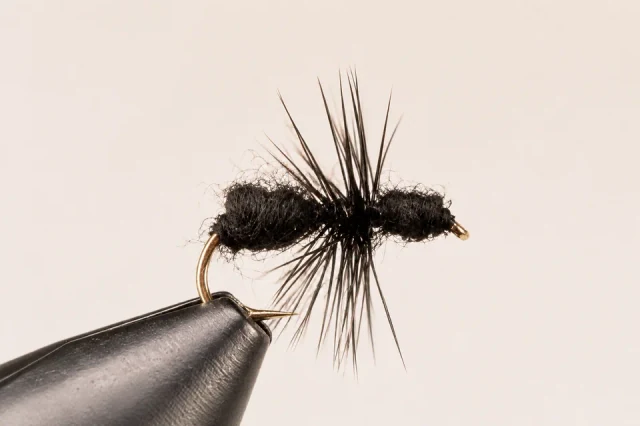
Two dubbed segments separated by a narrow waist create a simple ant silhouette.
- At the vise
- Beginner friendly
- Common sizes
- #14–20
At the vise.
Work through the numbered steps in order. Use the written materials and proportions as your guide; select an image for a closer look.
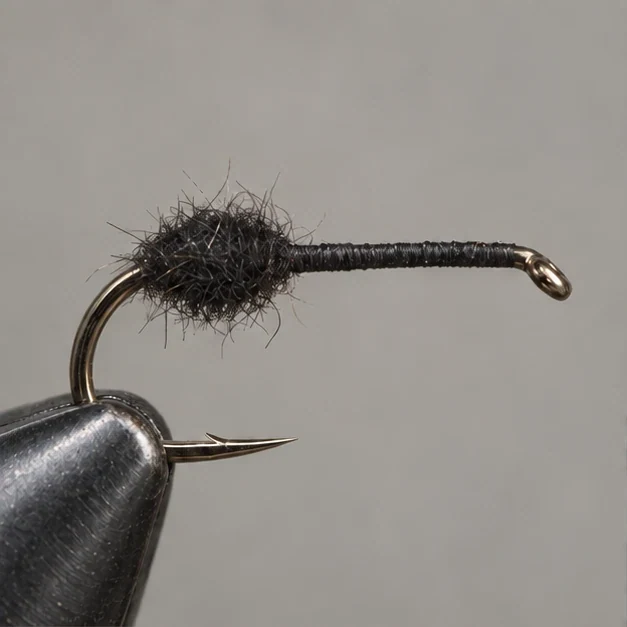
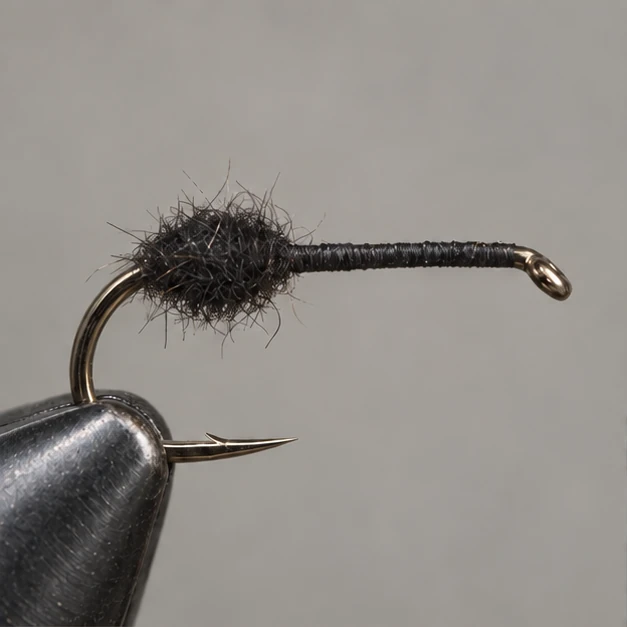
Rear segment
Cover the shank with thread. Dub a rounded abdomen over the rear third.
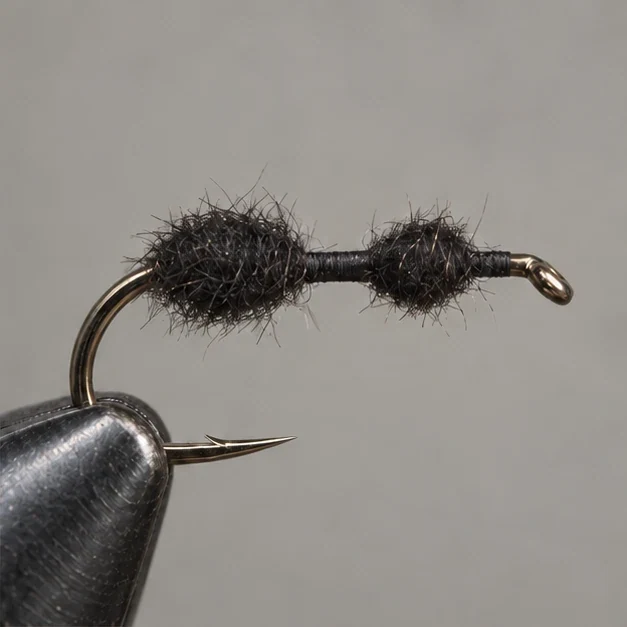
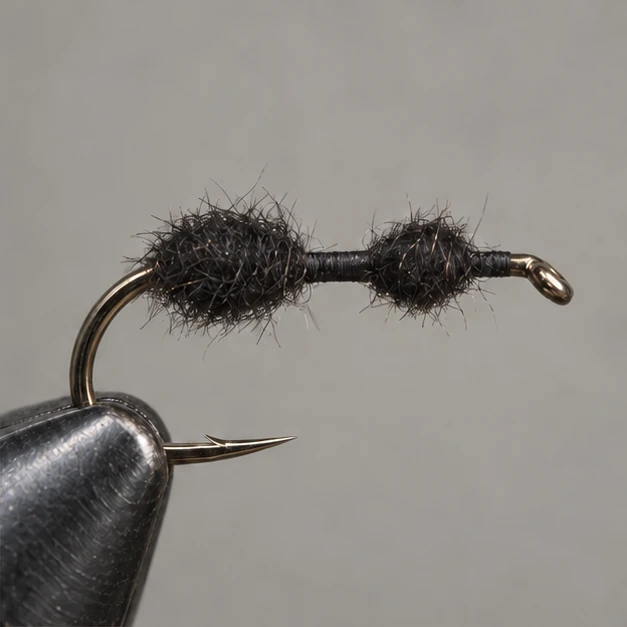
Waist and head
Leave a narrow thread waist, then dub a smaller front segment. Keep space behind the eye.
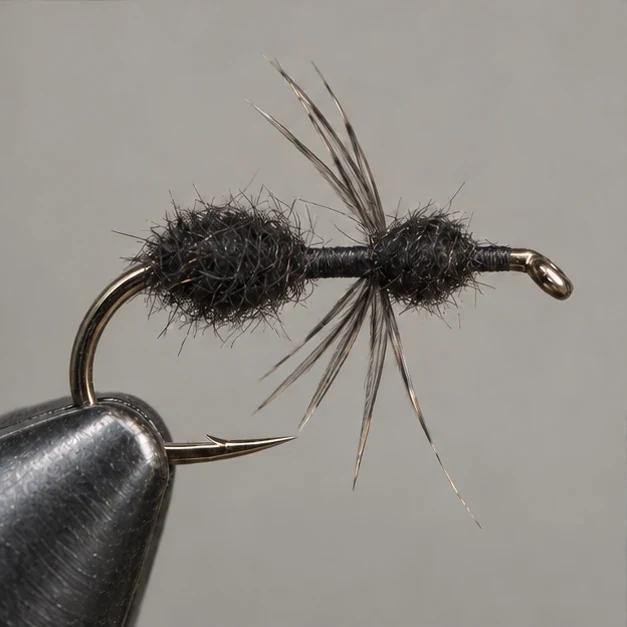
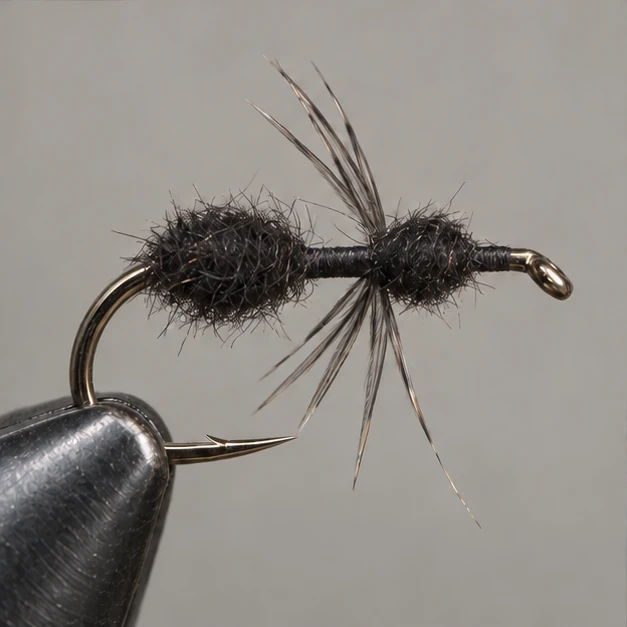
Legs
Tie a small hackle at the waist and wind two sparse turns. Secure and trim.
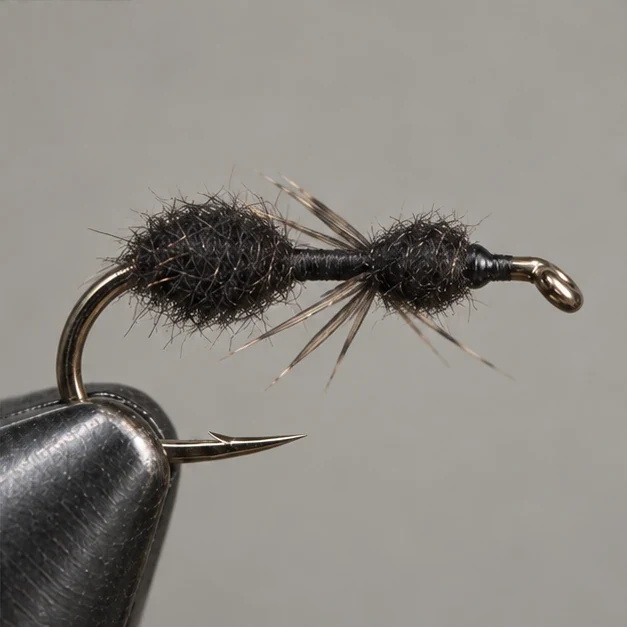
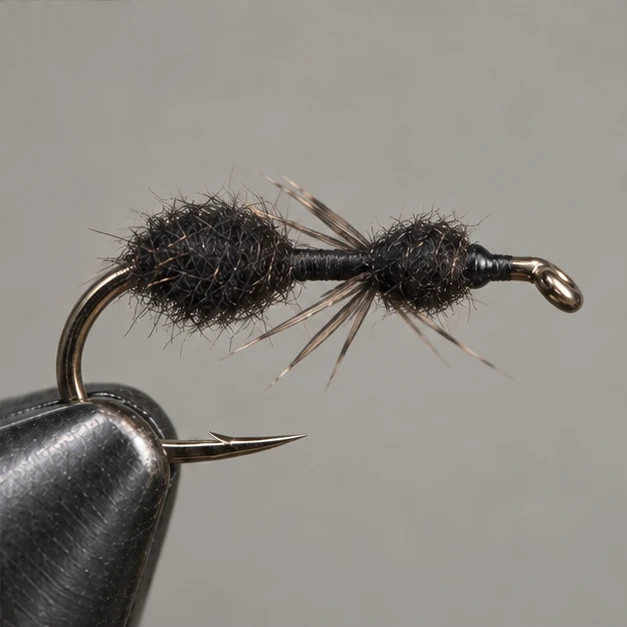
Finish
Whip finish at the eye and cement. Clip hackle above and below to leave fibers projecting sideways.
On the water.
Use near banks or during ant falls. Fish dry or just beneath the film when drowned insects are being taken.
Find your Fur Ant.
Have this pattern tied for your water.
No versions are listed yet. Choose a tyer and ask about your sizes, colors and materials. The tyer must confirm availability and send an offer.
Recipe references
Materials and tying methods may vary between versions. Compare the sources below for this dressing.
Portrait reference
Pattern dressings vary; use the written recipe for exact materials and proportions.