FlyFysher
Clouser’s Crayfish
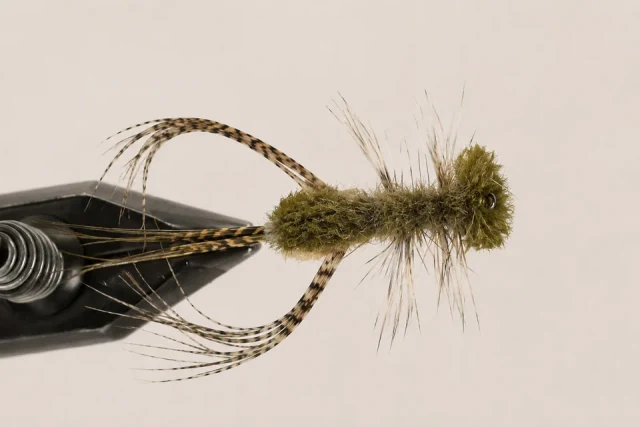
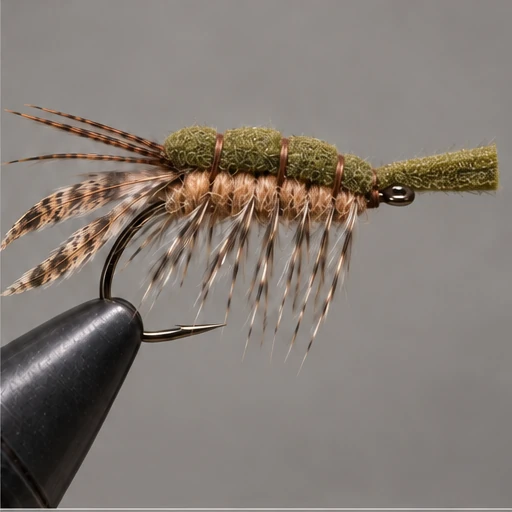
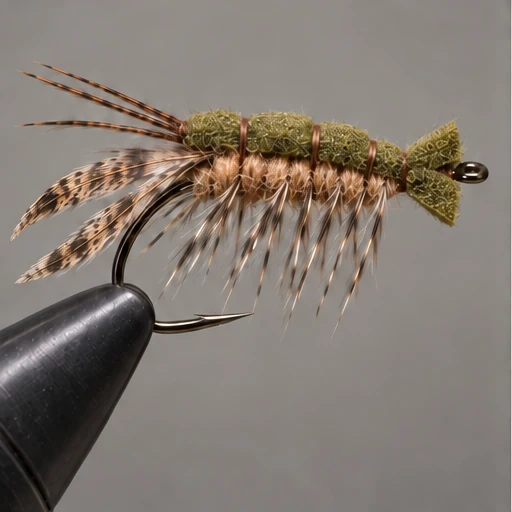
Furry foam, curled flank-feather claws, and hackle legs imitate a small crayfish.
- At the vise
- Advanced
- Common sizes
- #2–12
At the vise.
Work through the numbered steps in order. Use the written materials and proportions as your guide; select an image for a closer look.
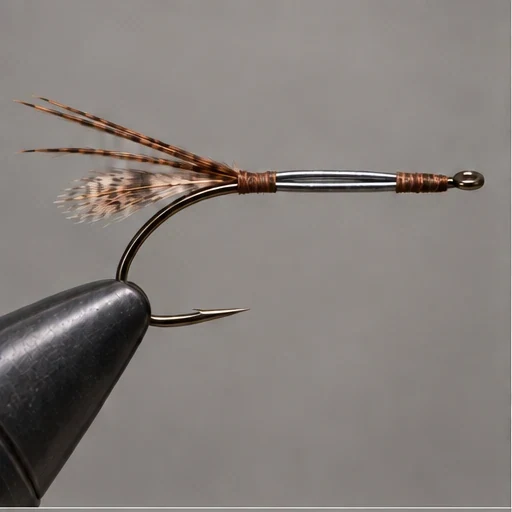
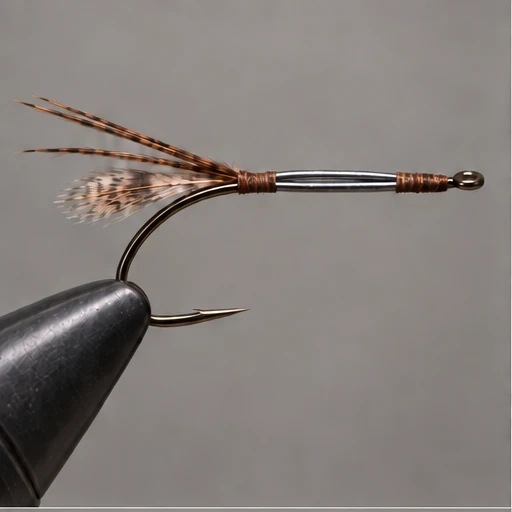
Weight and antennae
Bind wire along each side of the shank. Tie long pheasant fibers and a short mallard tip at the bend.
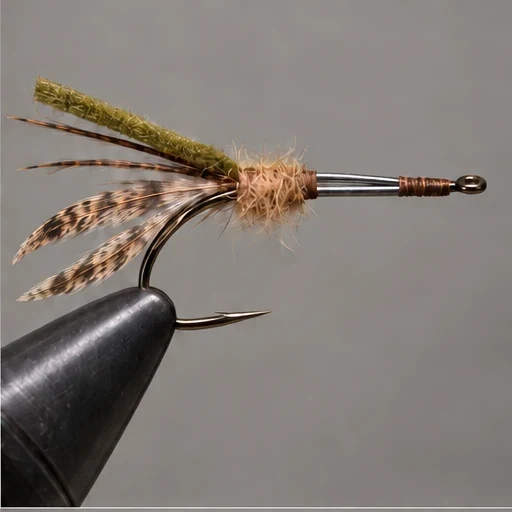
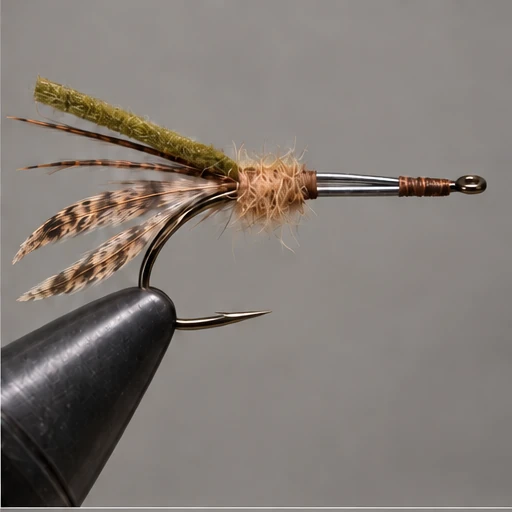
Claws
Attach foam at the bend. Dub a rear thorax; tie a mallard feather with its center removed so two sides form claws.
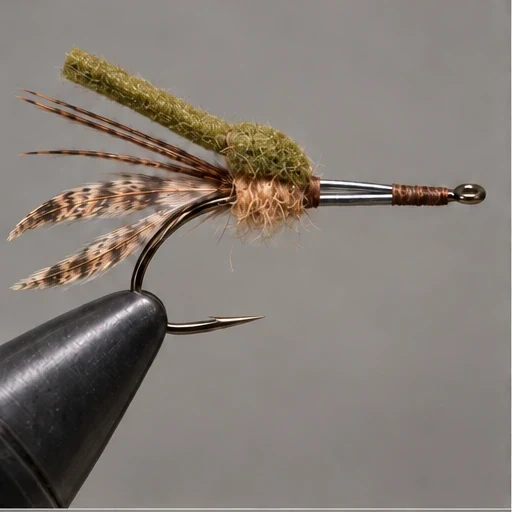
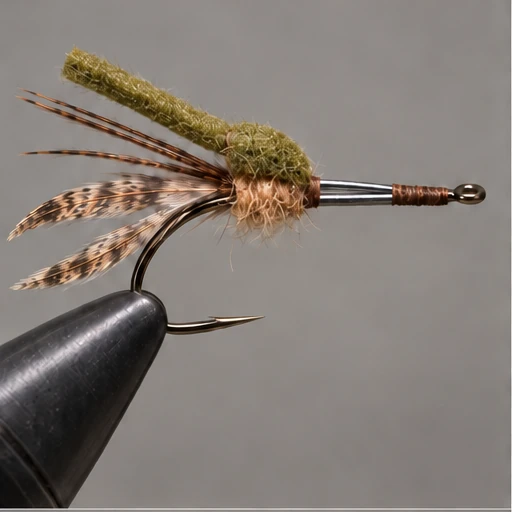
Thorax shell
Fold foam over the thorax, secure, then fold the remaining strip back.
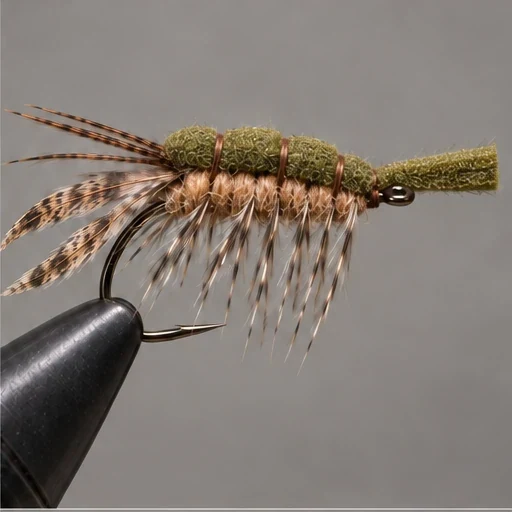
Abdomen
Tie in hackle and dub toward the eye. Palmer hackle forward; bind the foam over it with three spaced thread segments.
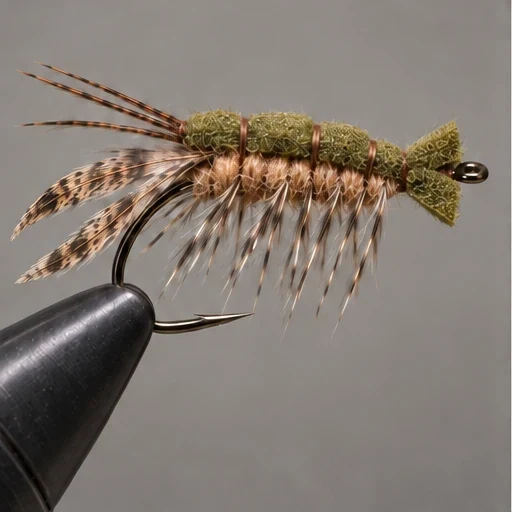
Tail and finish
Whip finish and cement. Punch the eye through the remaining foam and trim a short tail paddle. Curl the claws inward.
On the water.
Crawl it along the bottom with small pulls and pauses for bass, trout, or carp.
Find your Clouser’s Crayfish.
Have this pattern tied for your water.
No versions are listed yet. Choose a tyer and ask about your sizes, colors and materials. The tyer must confirm availability and send an offer.
Recipe references
Materials and tying methods may vary between versions. Compare the sources below for this dressing.
Portrait reference
Pattern dressings vary; use the written recipe for exact materials and proportions.