FlyFysher
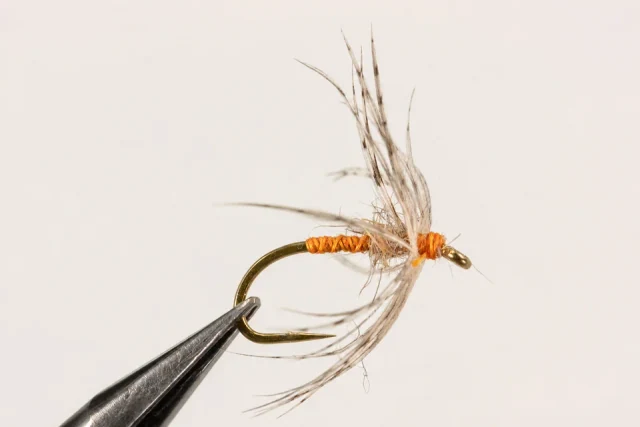
Partridge and Orange
A thin orange body and sparse soft hackle suggest emerging or drowned insects.
- At the vise
- Beginner friendly
- Common sizes
- #12–18
At the vise.
Work through the numbered steps in order. Use the written materials and proportions as your guide; select an image for a closer look.
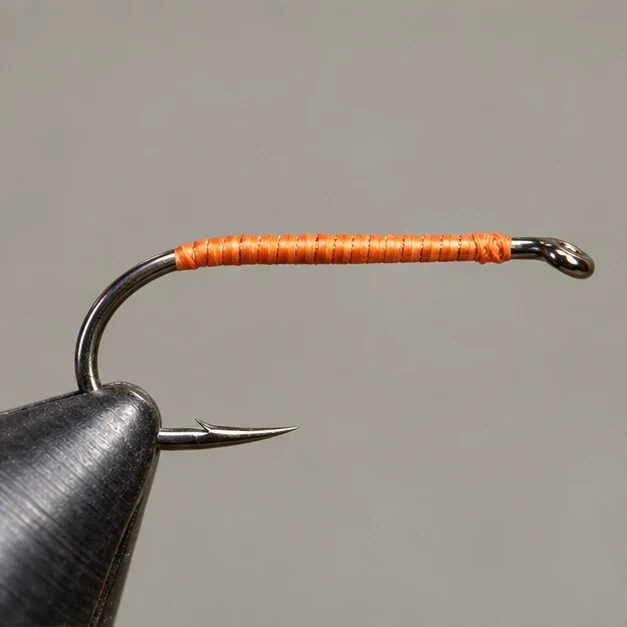
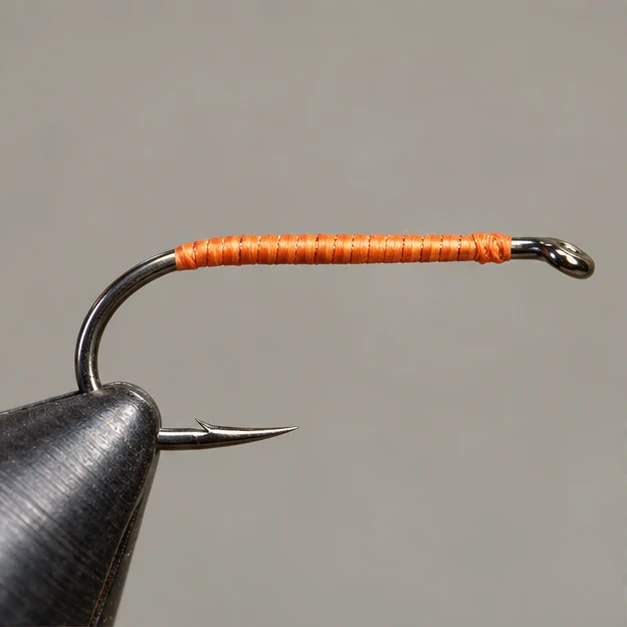
Body
Lay touching thread wraps down the shank and back to make a slim orange body.
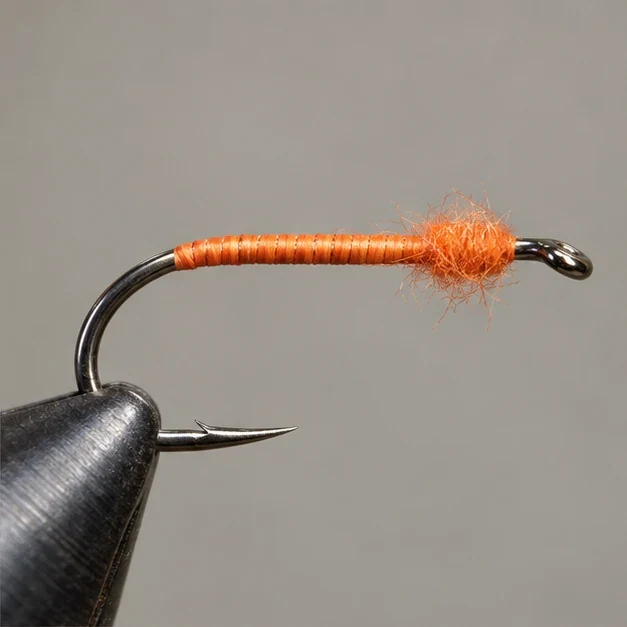
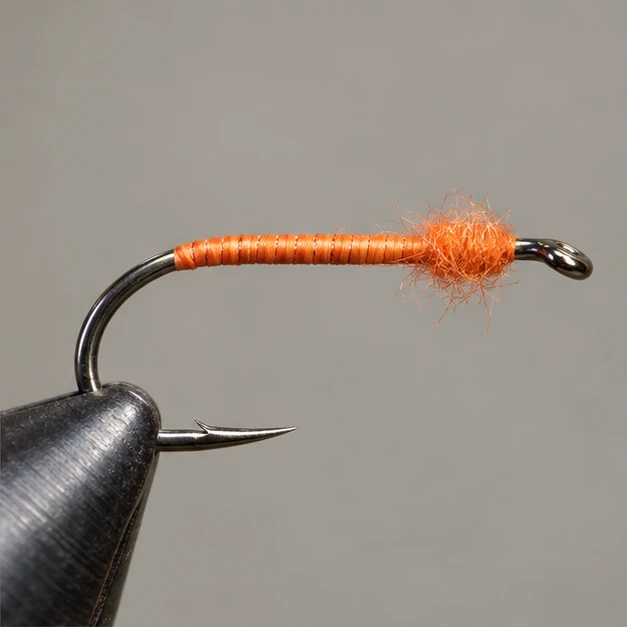
Thorax
Add a tiny dubbed bump behind the eye, leaving room for the hackle.
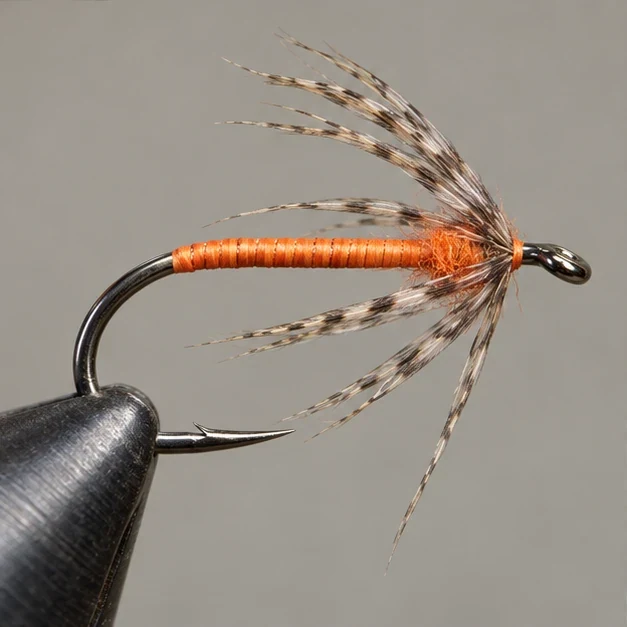
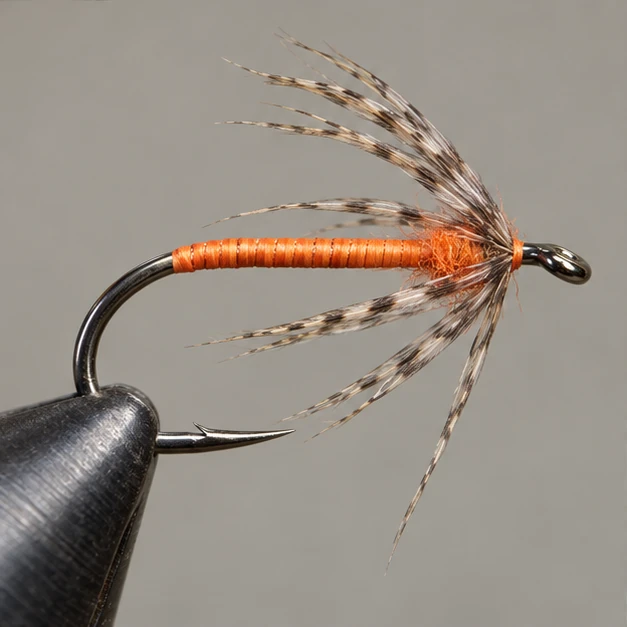
Soft hackle
Tie in a partridge feather with fibers about one shank long. Wind one or two turns, stroking fibers rearward, then secure.
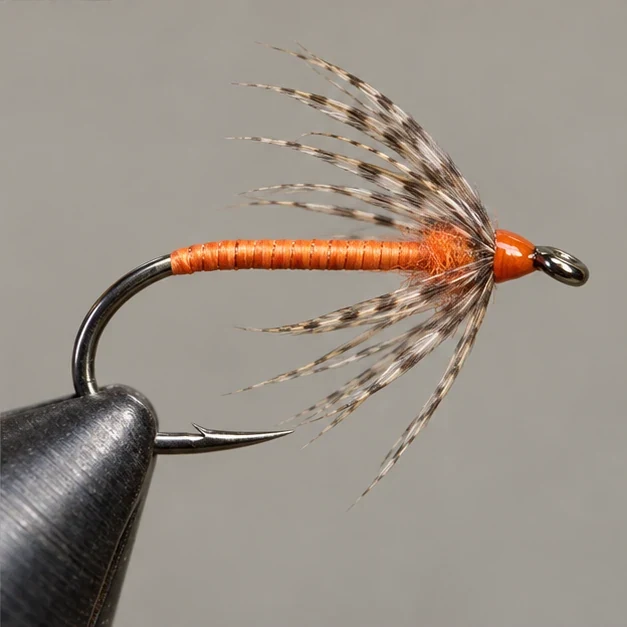
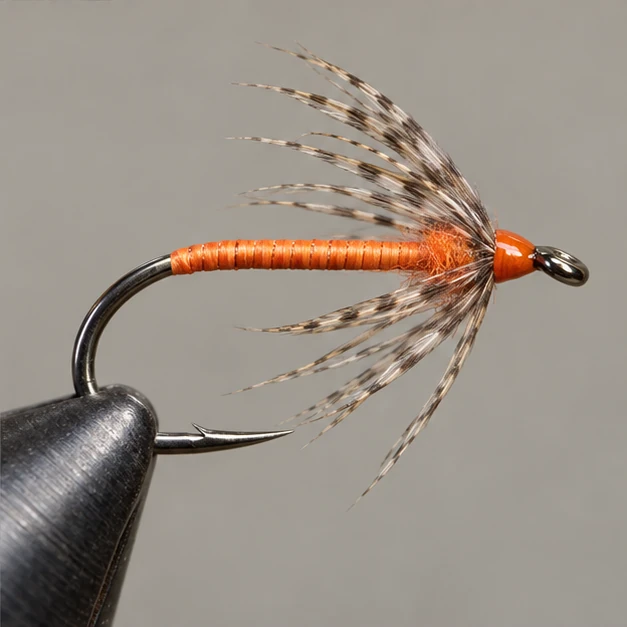
Finish
Trim the stem, form a small head, whip finish, and cement.
On the water.
Swing gently through a riffle or dead-drift just below the film. Avoid an overdressed collar that cannot move.
Find your Partridge and Orange.
Have this pattern tied for your water.
No versions are listed yet. Choose a tyer and ask about your sizes, colors and materials. The tyer must confirm availability and send an offer.
Recipe references
Materials and tying methods may vary between versions. Compare the sources below for this dressing.
Portrait reference
Pattern dressings vary; use the written recipe for exact materials and proportions.